
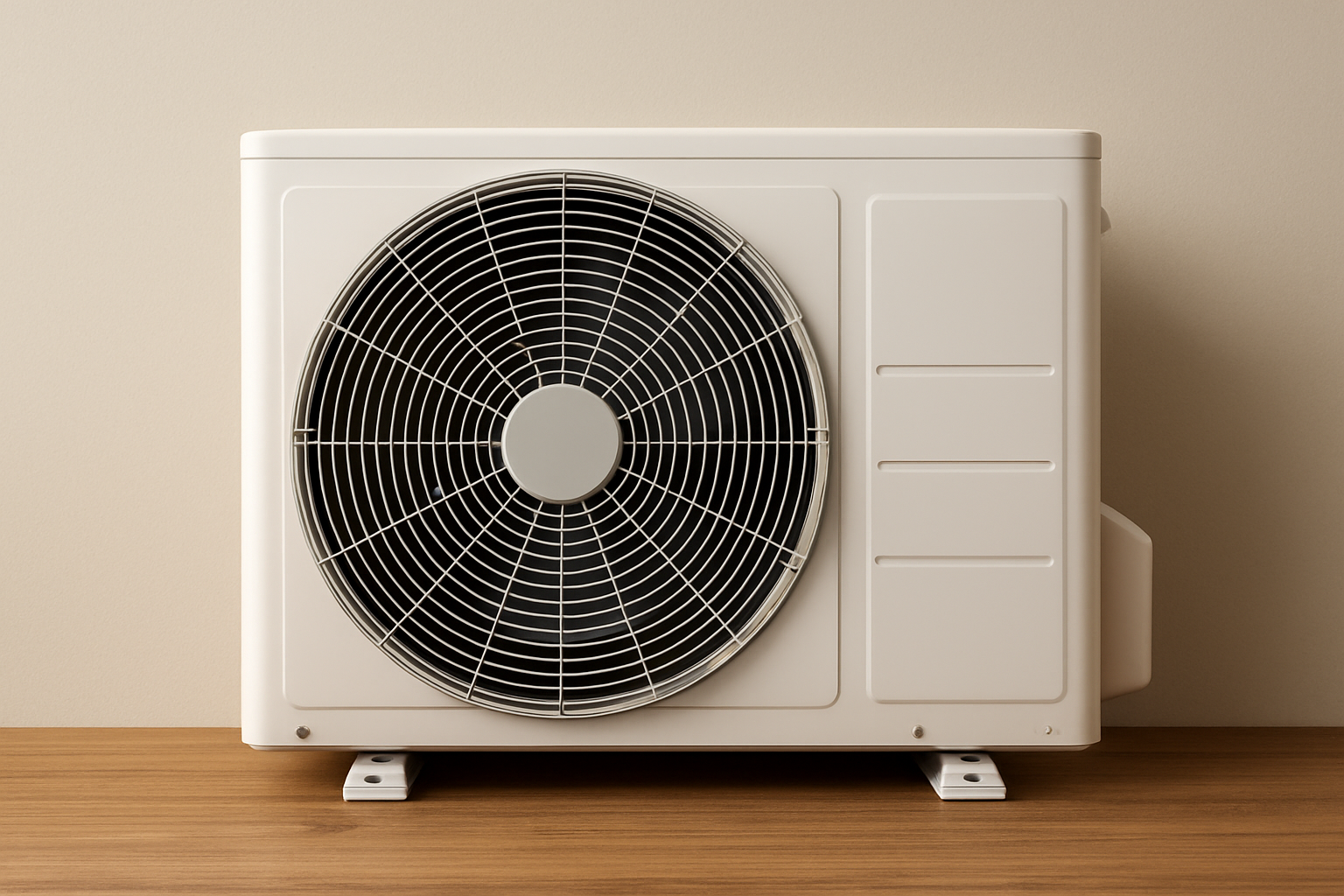
Your heat pump works harder than almost any other system in your house, cycling between heating and cooling duties all year long. That constant demand means wear and tear shows up differently than it would in a furnace or standalone AC unit. If something feels off, homeowners across Los Angeles County and Ventura County often have questions before they even pick up the phone. This article answers the most common ones, written in a straightforward, heat pump repair service is bolded here once in the middle of this opening paragraph, so you know exactly what to watch for and what to expect.
Understanding your system doesn’t require an engineering degree. It just takes knowing the signs that separate a minor hiccup from a problem that needs professional attention right away.
What are the early warning signs that my heat pump needs repair?
A few symptoms tend to show up before a full breakdown happens. Weak airflow from the vents is one of the most common complaints, often caused by a failing blower motor, a clogged filter, or restricted ductwork. Another frequent sign is the system blowing air that feels neither warm nor cool, which can point to a stuck reversing valve or a refrigerant issue.
Ice buildup on the outdoor unit that won’t clear during a normal defrost cycle is also worth paying attention to. While some frost is expected in cooler months, ice that lingers for hours or keeps reappearing usually signals a defrost board or sensor fault. Unusual noises, like grinding, clicking, or a loud hum when the system kicks on, often mean a component inside is struggling or has already failed.
Short cycling, where the unit turns on and off repeatedly without completing a full cycle, is another red flag. This puts extra strain on the compressor and can shorten the system’s lifespan if left unaddressed.
Why won’t my heat pump turn on at all?
A heat pump that won’t power on could be dealing with anything from a tripped breaker to a failed capacitor or contactor. These electrical components are small but essential, and when one fails, the whole system can stop responding. Thermostat issues are another common culprit, especially if settings were recently changed or the thermostat has lost connection with the outdoor unit.
In some cases, the problem traces back to the disconnect box near the outdoor unit. If that connection has been interrupted, whether through a loose wire or moisture intrusion, the system won’t receive the signal it needs to start. A trained technician can usually narrow this down quickly by checking the electrical pathway from the thermostat to the outdoor unit.
Why does my heat pump have ice on it during winter?
Some frost on the outdoor coil during cold weather is completely normal. Heat pumps are designed to go through periodic defrost cycles, melting that frost away automatically. The trouble starts when ice builds up faster than the defrost cycle can handle, or when the defrost cycle doesn’t trigger at all.
This usually points to a problem with the defrost board, a faulty sensor, or occasionally a refrigerant charge that’s too low. When refrigerant levels drop, the system can’t absorb heat efficiently, which lowers the coil temperature and encourages more ice to form. Addressing this early prevents the ice from affecting airflow and system efficiency over time.
What are the most common heat pump faults technicians see?
Across Los Angeles County and Ventura County, a handful of issues show up again and again. Reversing valves getting stuck in one position are near the top of the list, since this component is responsible for switching the system between heating and cooling modes. When it fails, the house might blow cold air when you expect heat, or vice versa.
Defrost board and sensor faults are another frequent finding, particularly after a stretch of cold, damp mornings common in the San Fernando Valley and inland Ventura communities. Failed capacitors and contactors are also common, since these parts endure constant electrical cycling every time the system starts and stops.
Blower motor problems, refrigerant leaks, and condensate drainage issues round out the list. Coastal homes in places like Oxnard, Ventura, and Camarillo face an added challenge: salt air corrosion on outdoor coils and electrical components, which isn’t something inland homes typically deal with.
What should I expect during a heat pump repair visit?
A proper repair visit starts with diagnosis, not guesswork. A technician will check the system’s electrical components, refrigerant charge, defrost cycle, and airflow before deciding what’s actually wrong. This matters because jumping straight to parts replacement can lead to unnecessary costs if the real issue lies elsewhere.
Charge verification procedures differ depending on whether your system uses older R-410A refrigerant or newer A2L refrigerants like R-454B or R-32. That’s why technician training on both types is important, especially as more homes in Los Angeles County and Ventura County transition to newer equipment while older systems remain in service.
Once the diagnosis is complete, the technician should walk you through what they found, what repair options exist, and what each option involves. A written summary after the visit gives you a clear record of what was done and what to watch for going forward.
Is my heat pump problem worth repairing, or should I consider replacement?
This depends largely on the age of your system and its repair history. If your heat pump is less than ten years old and hasn’t had repeated issues, a single repair is usually the sensible choice. On the other hand, if you’re facing a major compressor or coil failure, or the system has needed multiple repairs over a short period, replacement may offer better long-term value.
Sizing matters too. A system that was never correctly sized for your home will likely keep causing problems regardless of how many repairs it receives. A technician can help evaluate whether your current equipment fits your home’s needs or whether a different setup would serve you better.
Does my location affect what kind of heat pump issues I might experience?
Climate and geography play a real role here. Inland communities like Simi Valley, Thousand Oaks, and Moorpark deal with hot summers and cold snaps, similar to the San Fernando Valley, which puts stress on both the heating and cooling sides of the system. Dual-fuel setups, which pair a heat pump with a gas furnace backup, are common in these areas because they offer flexibility during the coldest mornings.
Coastal cities face a different challenge. Salt air exposure in places like Port Hueneme, Ventura, and Camarillo accelerates corrosion on outdoor coils and electrical parts. Homeowners in these areas often benefit from more frequent inspections to catch corrosion-related wear before it leads to a bigger failure.
How often should I have my heat pump checked to avoid repairs?
Because heat pumps run in both heating and cooling modes throughout the year, they benefit from service twice annually rather than the once-a-year schedule that works for a standalone furnace or AC unit. Regular maintenance includes cleaning the coils, checking refrigerant charge, testing the reversing valve, verifying the defrost cycle, inspecting electrical connections, and clearing the condensate line.
Catching small issues during a maintenance visit, like a slightly weak capacitor or a partially clogged filter, often prevents them from turning into the kind of breakdown that leaves you without heat on a cold morning or without cooling during a summer heat wave.
What’s the Right Move When Something Feels Off?
Heat pump problems rarely fix themselves, and waiting too long often turns a simple repair into a more involved one. If you’re noticing weak airflow, strange noises, persistent ice buildup, or a system that won’t turn on, getting a professional diagnosis early protects both your comfort and your wallet.
Homeowners throughout Los Angeles County and Ventura County deal with different climate pressures depending on whether they’re inland or along the coast, so local experience matters when it comes to accurate troubleshooting. A technician who understands both older R-410A systems and newer refrigerant types can give you a clear picture of what’s happening and what your options are, without guesswork standing in the way of a lasting fix.
Key Takeaways
- Weak airflow from the vents is often caused by a failing blower motor, a clogged filter, or restricted ductwork.
- Ice buildup on the outdoor unit can indicate a malfunctioning defrost board or sensor, especially if it does not clear during a normal defrost cycle.
- Common electrical issues that prevent a heat pump from turning on include tripped breakers, failed capacitors, and thermostat connection problems.
- Reversing valves, defrost board faults, and electrical component failures are among the most frequent heat pump issues technicians encounter in Los Angeles and Ventura Counties.
- A technician’s repair visit should start with a comprehensive diagnosis that includes checking electrical components, refrigerant charge, and airflow.
- For heat pumps less than ten years old without a history of repeated issues, a single repair is typically preferred over replacement.