
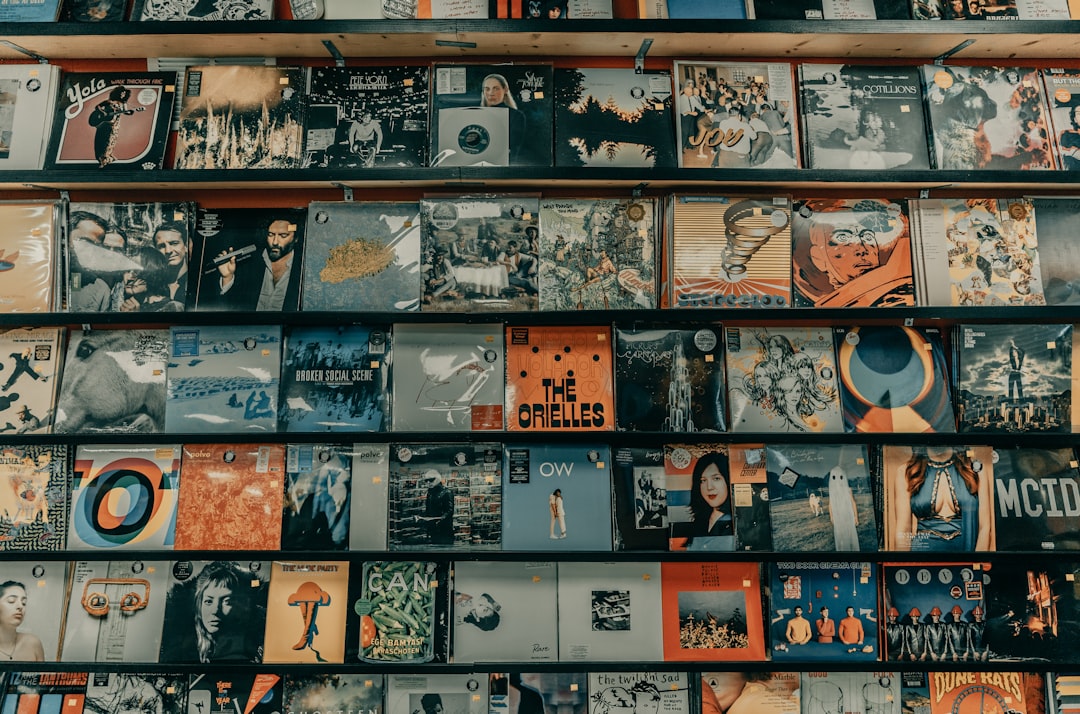
Music preferences continue to evolve as listeners search for sounds that feel distinctive, expressive, and authentic. Within this changing landscape, alternative music download has become a useful way for audiences to discover creative styles beyond mainstream formats. Alternative music covers a broad range of artistic approaches, from guitar-driven compositions and experimental arrangements to atmospheric productions and emotionally focused songwriting. This diversity makes the genre appealing to listeners who value originality and want their personal libraries to reflect varied musical interests.
Jump To
- Understanding the Appeal of Alternative Music
- How Digital Access Has Changed Discovery
- Key Factors That Shape a Quality Music Collection
- Trends in Alternative Listening Habits
- Discovering Music With Greater Awareness
- Building a Meaningful Digital Library
Understanding the Appeal of Alternative Music
Alternative music has traditionally been associated with artists who experiment with established musical conventions. Instead of following a single formula, the genre often combines different instruments, production techniques, vocal approaches, and lyrical themes. This flexibility allows musicians to develop recognizable identities while exploring ideas that may not fit conventional categories.
For listeners, that variety creates an opportunity to discover music with different moods and perspectives. A carefully organized alternative collection can include energetic tracks for daily activities, reflective songs for quieter moments, and experimental recordings for listeners interested in unusual arrangements.
How Digital Access Has Changed Discovery
Digital listening has significantly changed the way audiences discover music. Search tools, curated collections, online communities, and recommendation systems make it easier to explore unfamiliar artists and styles. Instead of depending entirely on traditional radio programming, listeners can actively investigate genres that match their interests.
This shift has also made music discovery more personal. People can create collections around particular moods, sounds, instruments, or creative themes. Alternative music benefits especially from this approach because its broad character encourages exploration across related styles.
Key Factors That Shape a Quality Music Collection
Several factors can influence how useful and enjoyable a digital music collection becomes. Audio quality is important because clear production allows listeners to appreciate vocals, instrumentation, and subtle production details. File organization also matters, particularly for people maintaining larger libraries.
Reliable metadata can make navigation easier by keeping information such as artist, track title, album, and genre properly organized. Consistent organization reduces confusion and helps listeners locate specific recordings without unnecessary searching.
Another important consideration is source reliability. Music should be obtained through legitimate channels that respect the rights of artists, composers, producers, and other contributors. Supporting authorized distribution helps maintain a healthier creative environment while giving listeners confidence about the content they access.
Trends in Alternative Listening Habits
Current listening habits demonstrate a growing interest in variety and personalization. Audiences increasingly move between genres instead of restricting themselves to one category. Alternative music fits naturally into this environment because it frequently overlaps with indie, electronic, acoustic, rock, ambient, and experimental influences.
Playlists have also become an important discovery tool. A thoughtfully created playlist can introduce listeners to unfamiliar sounds while maintaining a consistent atmosphere. Over time, these collections can become personal records of changing tastes and memorable listening experiences.
Discovering Music With Greater Awareness
Exploring alternative music can be more rewarding when listeners approach discovery with curiosity. Rather than judging a track immediately, giving attention to its arrangement, lyrics, rhythm, production, and emotional character can reveal details that are easy to miss during casual listening.
It is equally useful to explore artists gradually. Learning about an artist’s broader work can provide context for individual tracks and demonstrate how their sound develops over time. This approach turns music discovery into an ongoing experience rather than a simple search for individual songs.
Building a Meaningful Digital Library
A well-maintained music library should reflect both practical organization and personal taste. Categorizing recordings by artist, genre, mood, or release can simplify future listening. Regularly reviewing the collection can also remove duplicates and outdated files while keeping preferred recordings easy to access.
Ultimately, alternative music represents more than a genre label. It reflects experimentation, individuality, and the continuing development of musical culture. Digital access has expanded opportunities for listeners to explore these qualities while building collections that suit their interests. With responsible sourcing, thoughtful organization, and an open approach to discovery, alternative music can remain a valuable part of the modern listening experience.
Key Takeaways
- Alternative music allows listeners to explore a broad range of artistic approaches, including guitar-driven compositions and experimental arrangements.
- Digital access has transformed music discovery, enabling listeners to utilize search tools, curated collections, and recommendation systems to find unfamiliar artists.
- A quality digital music collection should prioritize audio quality, effective file organization, and reliable source legitimacy to enhance the listening experience.
- Current listening habits indicate a preference for genre diversity and personalization, with alternative music naturally overlapping with various other styles.
- Thoughtful playlists serve as important tools for discovering new sounds while creating memorable listening experiences that reflect changing tastes.
- Exploring alternative music with curiosity can lead to a deeper appreciation of its arrangement, lyrics, and emotional context, enriching the overall discovery process.