
Introduction
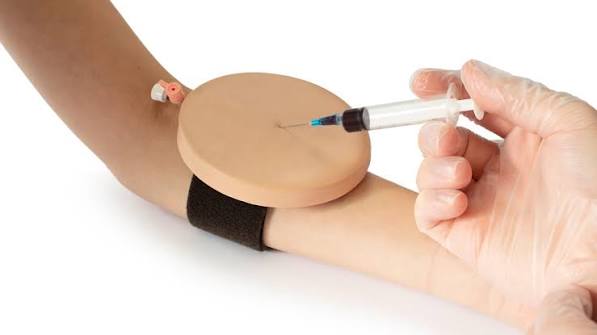
Venipuncture is an essential clinical skill used by health-care professionals for blood collection, intravenous (IV) access, and various diagnostic procedures. Developing confidence and accuracy in venipuncture requires extensive practice, especially for nursing students, medical trainees, and health-care professionals learning new techniques. Venipuncture training pads provide a realistic and safe way to practice blood draw and IV insertion skills before performing procedures on real patients.
Simulation-based training has become an important part of modern health-care education. By using realistic training models, learners can improve their technique, understand common challenges, and develop the confidence needed for clinical environments. Venipuncture training pads allow repeated practice without the pressure and risks associated with practicing directly on patients.
The Importance of Venipuncture Training in Health-care Education
Blood collection and IV procedures require precision, proper technique, and knowledge of anatomy. Even small errors can cause discomfort for patients or make procedures more challenging. For this reason, health-care professionals need opportunities to practice needle placement, vein identification, and proper handling of equipment.
Traditional classroom learning provides theoretical knowledge, but hands-on experience is necessary to develop practical skills. Venipuncture training pads help bridge this gap by allowing learners to practice realistic procedures in a controlled environment.
These training tools are commonly used in nursing schools, medical colleges, EMS training programs, and hospital education centers to prepare health-care providers for real-world situations.
How Venipuncture Training Pads Improve Clinical Skills
Venipuncture training pads are designed to replicate the feel and structure of human tissue. They provide a realistic surface where learners can practice essential blood draw and IV insertion techniques.
Key benefits of venipuncture training pads include:
1. Realistic Vein Identification Practice:
Venipuncture training pads often include simulated veins that help learners practice locating appropriate insertion points. This improves their ability to recognize vein placement and develop better hand-eye coordination.
2. Improved Needle Insertion Techniques:
Proper needle angle, depth, and placement are important for successful venipuncture. Training pads allow students to practice these techniques repeatedly and improve their accuracy over time.
3. Confidence Building Through Repeated Practice:
Beginners may feel uncertain when performing blood draws or IV procedures for the first time. Simulation practice helps reduce anxiety by allowing learners to gain experience before working with actual patients.
4. Safe Learning Environment:
Training pads eliminate risks associated with practicing invasive procedures on patients. Learners can make mistakes, receive feedback, and refine their skills without causing discomfort or harm.
5. Better Preparation for Clinical Settings:
Practicing with realistic models helps students become more comfortable with equipment, procedures, and work-flow before entering hospitals or health-care facilities.
Supporting Nursing and Medical Training Programs
Venipuncture skills are a fundamental part of many health-care roles. Nursing students, medical assistants, phlebotomy trainees, and emergency medical professionals all benefit from hands-on practice.
Educators can incorporate venipuncture training pads into structured learning sessions where students practice different scenarios. These exercises can include vein selection, needle handling, IV catheter placement, and proper procedure techniques.
Instructors can also evaluate learner performance and provide immediate feedback. This allows students to identify areas for improvement and continue developing their clinical abilities.
Conclusion
Venipuncture training pads play an important role in improving blood draw and IV skills among health-care learners. By providing realistic practice opportunities, these simulation tools help students develop technical abilities, build confidence, and prepare for real clinical environments. As health-care education continues to focus on hands-on learning, venipuncture simulation will remain an essential part of effective medical training programs.

