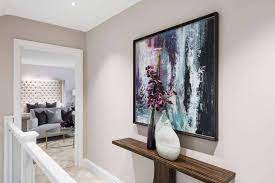
Skirting boards, often overlooked in interior design, are making a strong comeback as a stylish and functional feature in modern homes. Once considered a purely practical element to cover wall-to-floor joins, skirting board are now viewed as a design statement that can influence the character of a room. Homeowners and designers alike are exploring creative finishes, updated materials, and bold styles that transform these subtle details into standout features.
One of the most noticeable trends is the shift towards taller skirting boards. Higher profiles create a sense of grandeur and elegance, particularly in spaces with generous ceiling heights. They draw the eye upward, making rooms appear more spacious and refined. Even in homes with standard ceiling heights, a taller skirting board can instantly elevate the overall aesthetic, bringing a touch of architectural sophistication.
Another growing trend is the use of sleek, minimalist designs. Clean lines and simple profiles are favored in contemporary interiors, where understated elegance is key. This approach allows skirting boards to blend seamlessly with walls while still offering a polished finish. In contrast, traditional homes are seeing a revival of ornate moulded styles, which add character and charm. These two design directions demonstrate how skirting boards are versatile enough to suit both modern and classic interiors.
Color has also become a central focus. While crisp white remains timeless, there is an increasing preference for painted skirting boards in bold or muted tones. Matching the skirting to the wall color creates a cohesive, seamless look, while contrasting shades highlight architectural details and add visual interest. Dark hues such as charcoal, navy, and even black are popular choices for homeowners seeking a dramatic edge. For those leaning toward a softer atmosphere, pastel shades and earthy neutrals provide warmth and subtle character.
Material innovation is another area gaining attention. Beyond traditional wood, homeowners are exploring options like moisture-resistant materials that are ideal for kitchens, bathrooms, and utility spaces. Durability and easy maintenance are high on the list of priorities, leading to a rise in finishes that combine practicality with style. These materials not only ensure longevity but also allow for flexibility in design, catering to both high-traffic areas and refined living spaces.
Textured finishes are also entering the spotlight. Brushed, distressed, or satin effects add depth and dimension, helping skirting boards become more than just a background element. Pairing textures with complementary wall finishes, such as exposed brick or painted plaster, creates a layered and thoughtfully designed look. This attention to detail reflects the broader trend of treating every surface in the home as an opportunity for design expression.
Finally, sustainability is influencing choices in skirting boards just as it is in other aspects of home design. Homeowners are increasingly seeking eco-friendly materials and finishes that align with their values while maintaining high quality and style. This shift highlights a broader awareness of responsible design choices that enhance the home while reducing environmental impact.
Skirting boards may have a modest role in a room’s structure, but today they are celebrated for their ability to transform interiors. Whether through height, color, texture, or material, these trends show that skirting boards are no longer just a finishing touch—they are an integral part of modern home design.